- Skubiosios pagalbos tarnybų ryšio numeris 112
- el. paštas - [email protected]
- tel. 1856
Evacuation points, collective protection structures, shelters and cellars
Population evacuation points
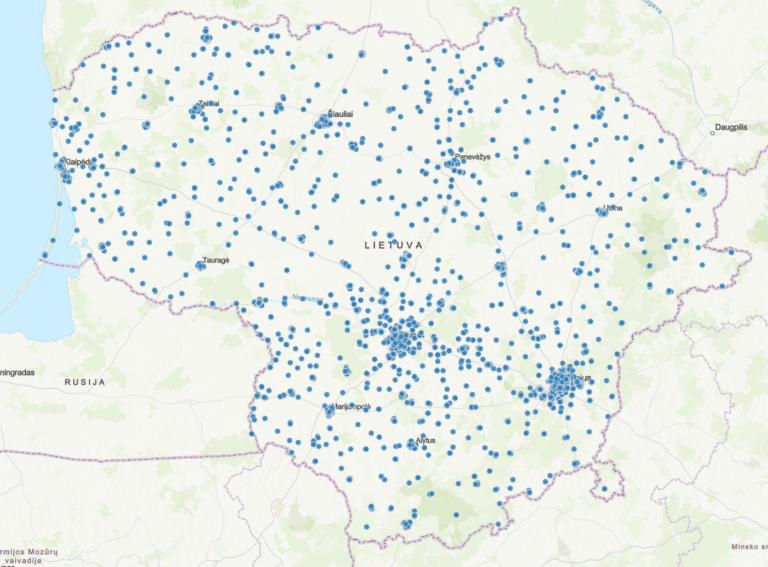
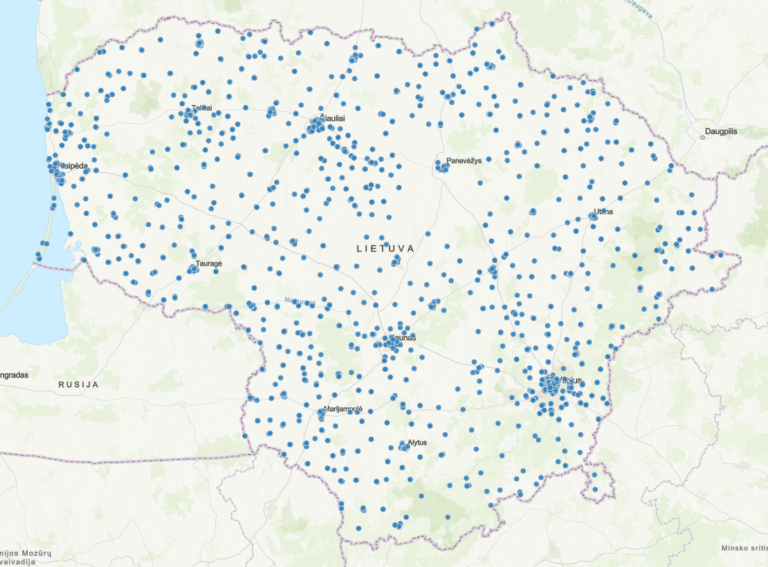
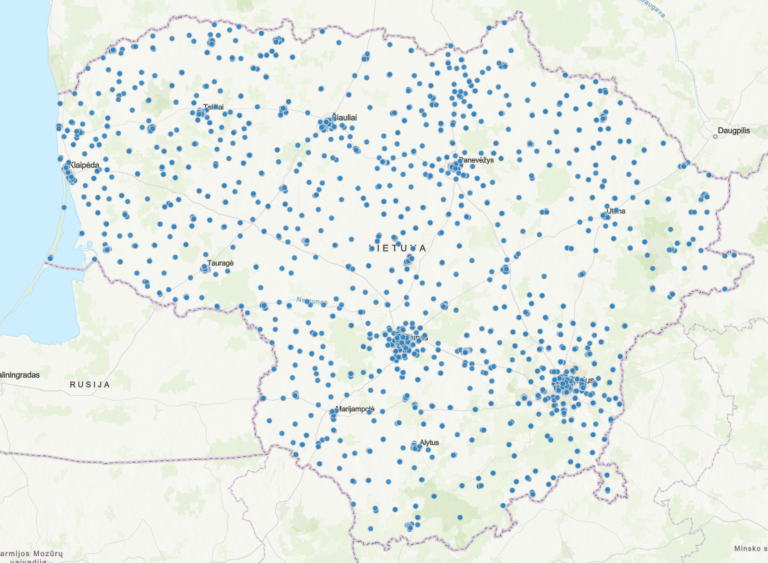
Population assembly points are places where residents will have to gather during an emergency. Here they will be registered, boarded into vehicles and transported to safe areas. Residents who are able to evacuate with their own transport can do so independently. Specific population assembly points in a municipality are predefined in the Municipality’s Emergency Management Plan.
Intermediate population evacuation points are set up only:
- when the population is evacuated from an area contaminated with chemical or radiological substances,
- when the contamination of the evacuees needs to be checked and
- when the existing contamination needs to be removed (for example, for sanitary cleaning/decontamination).
- If necessary, the population is decontaminated, they are transferred to clean (uncontaminated) vehicles, and sent to the population reception points. In case of evacuation from uncontaminated areas, the movement of population shall be directed to the population reception points.
Population reception points are places where residents arriving by their own or municipal transport must go. At these reception points the population will be met, grouped and accompanied to their temporary accommodation. The provision of essential measures and other related services, as well as the distribution of the humanitarian aid received, will be organized by the Evacuation and Reception Commission of the Municipality (to which people are being evacuated).
At population evacuation (assembly, reception) points residents will be provided with essential measures and services:
- drinking water and food;
- medicine;
- clean clothing;
- first aid and emergency medical care;
- psychological and social assistance;
- public order;
- possibility of informing family and relatives about their location.
Collective protection structures
- Collective protection structures are designed to provide temporary shelter for the population against the harmful effects of the environment and to protect evacuees in times of emergency or war.
- In the usual way, these buildings are used for a wide range of public needs, while in emergencies they can be adapted to protect the population from life-threatening or health-threatening factors. Schools, gymnasiums, cultural and sports centers are the most common examples of such structures
Shelters
- Shelter is intended for short-term (up to several hours) protection in case of an airborne threat, against direct and indirect shelling during military aggression (i.e. indirect attacks from aircraft, missiles, artillery fire, fragments, debris, blast shock waves and accidental bullets).
- When hearing the civil protection signal “Air Alert”, the population is asked to find the nearest shelter marked with a special sign or ravine, ditch, underground pedestrian passage, tunnel, or cellar as soon as possible and take shelter there.
- You can consider the following objects as shelters: underground car parkings, garages, cellars, transport and pedestrian tunnels, sanitary domestic premises (cloakroom, shower, cellar, etc.) of enterprises and sports facilities, and storerooms for non-combustible materials.
Planning and equipping safe premises (individual shelter) in the cellar
- The basement must have solid walls and a concrete slab. Ideally, the basement should be equipped with a second exit.
- A ventilation opening should also be provided. If the cellar has windows, fill the bags with sand so you can cover them.
- Make sure you have a place to install the toilet. If this is not possible, seek for other alternative options.
- It is advisable to lay the cellar floor with wooden planks or chipboard.
- Sturdy and wide shelves should be built along the wall. It may be suitable for both storage and sleeping.
- Keep the necessary food and water supplies in the cellar. It is advisable to have a large water barrel with a capacity of 40–50 liters.
- A small electric and gas cooker can be useful.
- A metal stove can also be placed in the cellar and should have a chimney leading to the outside.